BISP to Introduce Digital Payments Through EasyPaisa and JazzCash for Direct Transfers
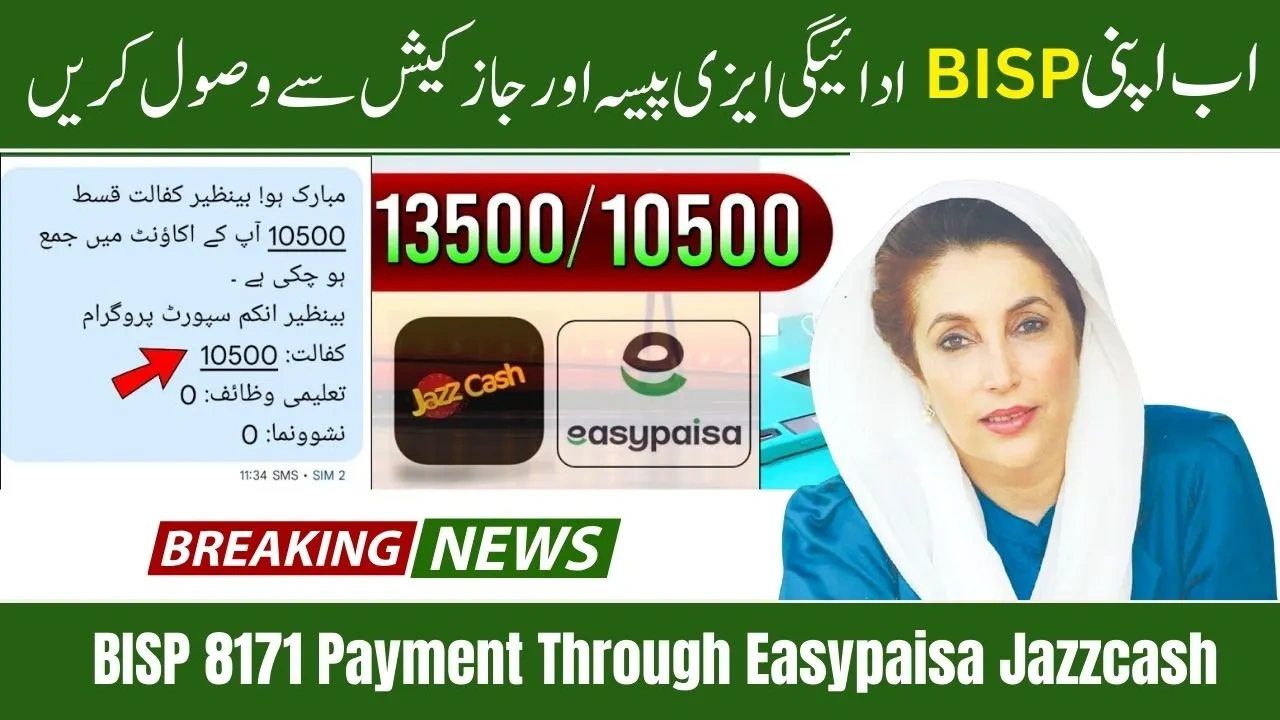
In a major step toward digital transformation, the Benazir Income Support Programme (BISP) has approved a new system that will allow beneficiaries to receive their Kafalat and children’s education stipends directly in their mobile wallets — without visiting banks or payment camps.
The initiative, developed in partnership with EasyPaisa, JazzCash, and other mobile banking platforms, marks a new era of cashless, transparent, and secure disbursements under the BISP program.
How the New Digital Payment System Works
Under the new BISP framework, each beneficiary will be issued a digital wallet through partner banks already working with the program. Payments will be directly transferred into these mobile accounts, allowing beneficiaries to withdraw funds anytime without long queues or deductions.
The distribution system will operate as follows:
| Partner Bank | Mobile Wallet Platform | Beneficiary Type / Districts |
|---|---|---|
| Telenor Microfinance Bank | EasyPaisa | Beneficiaries under Telenor’s coverage areas |
| Mobilink Microfinance Bank | JazzCash | Beneficiaries linked to Mobilink service areas |
| Habib Bank Limited (HBL) | HBL Konnect | Districts where HBL handles BISP disbursements |
This integration ensures speed, convenience, and transparency — ending the need for manual distribution through physical camps or shops.
Requirements for Beneficiaries
To receive payments through the new digital wallet system, each registered woman must meet the following criteria:
-
Possess a valid Computerized National Identity Card (CNIC).
-
Own a mobile phone with an active SIM card.
-
Ensure the SIM card is registered in her own name.
Payments will not be processed through SIMs registered under someone else’s name — even if it belongs to a family member. This rule is crucial for identity verification and fraud prevention.
Why This Transition Matters
The digital payment model represents a major leap in Pakistan’s welfare management system. It aims to:
-
Eliminate long queues at banks or cash centers.
-
End unauthorized deductions and middlemen involvement.
-
Improve transparency in payment tracking.
-
Empower women with direct digital access to their funds.
Previously, beneficiaries often faced long waits and unnecessary deductions when withdrawing cash. The new system ensures that funds reach rightful recipients directly and securely — a major relief for millions of families.
Implementation Timeline
The rollout of digital payments will take place in phases across Pakistan.
-
Some districts have already begun the setup of digital wallets.
-
Others will join in upcoming months after technical integration.
-
Beneficiaries will receive advance notifications via:
-
Official SMS messages from BISP.
-
Calls or messages from partner banks.
-
Announcements at BISP Tehsil offices.
-
Until the full implementation, upcoming installments will still be processed through the existing payment system, after which the wallet-based system will gradually replace it.
How to Check Eligibility for BISP Digital Payments
To confirm eligibility and payment updates, beneficiaries can use official methods only:
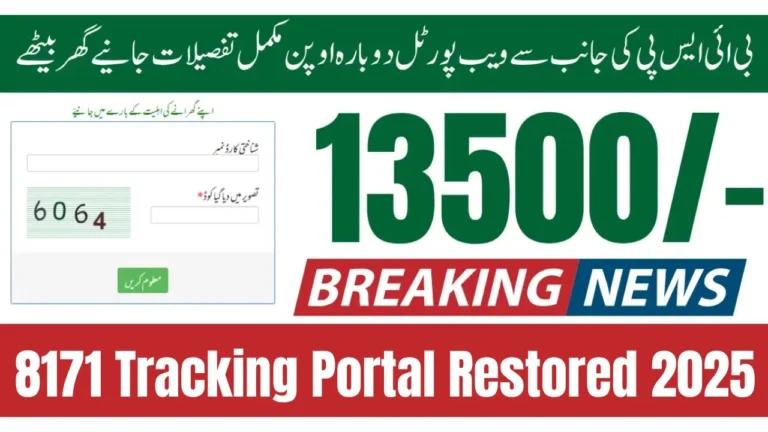
Option 1: Online CNIC Check
-
Visit the official website: 8171.bisp.gov.pk
-
Enter your 13-digit CNIC number.
-
View your eligibility status and payment details instantly.
Option 2: SMS Verification
-
Type your CNIC number in your phone’s SMS app.
-
Send it to 8171.
-
Receive your eligibility and installment information via SMS.
⚠️ Important: Do not share your CNIC details with unauthorized websites or agents. Only use official BISP channels for verification.
Possible Increase in BISP Stipends
There are strong indications that from January 2026, the government may announce an increase in stipends under the Kafalat and education support programs:
-
Kafalat stipend may increase by Rs. 1,000.
-
Children’s education stipend may increase by Rs. 500.
While the official confirmation is still pending, these potential adjustments would offer much-needed relief to millions of low-income households struggling with inflation.
Benefits of the Digital Wallet System
The move to digital payments is a game-changer for Pakistan’s social welfare landscape. Key advantages include:
| Benefit | Impact |
|---|---|
| Instant Payments | Funds transferred directly to mobile accounts. |
| Zero Deductions | Removes middlemen and unofficial fees. |
| Full Transparency | Every transaction is recorded digitally. |
| Ease of Access | Beneficiaries can withdraw cash anytime. |
| Empowerment | Women gain control of their own finances. |
This system will not only simplify the payment process but also help beneficiaries develop financial literacy through mobile banking.
Summary
BISP Digital Payments Update:
-
New Payment System: Digital wallets via EasyPaisa and JazzCash.
-
Eligibility: Must have valid CNIC, personal mobile, and SIM in own name.
-
Goal: To end cash deductions and simplify access.
-
Rollout: Phase-wise implementation starting this year.
-
Future Plan: Expected stipend increase from January 2026.
BISP’s new digital payment initiative marks a major shift toward secure, fast, and transparent financial inclusion for millions of Pakistani women.
FAQs
Q1. What is the new BISP payment system?
It’s a digital wallet-based system that allows direct payments to beneficiaries through EasyPaisa, JazzCash, and HBL Konnect.
Q2. How can I register for the BISP digital payment method?
Eligible women will be contacted by BISP or partner banks to create digital wallets. They can also visit nearby BISP Tehsil offices for assistance.
Q3. Can I use someone else’s SIM for receiving BISP payments?
No. The SIM must be registered under your own CNIC to receive digital transfers.
Q4. When will the digital wallet system start?
The rollout has already begun in some districts and will expand nationwide in phases throughout 2025–2026.
Q5. Will BISP payments increase in 2026?
Yes, a proposed increase of Rs. 1,000 for Kafalat and Rs. 500 for education stipends is under consideration.