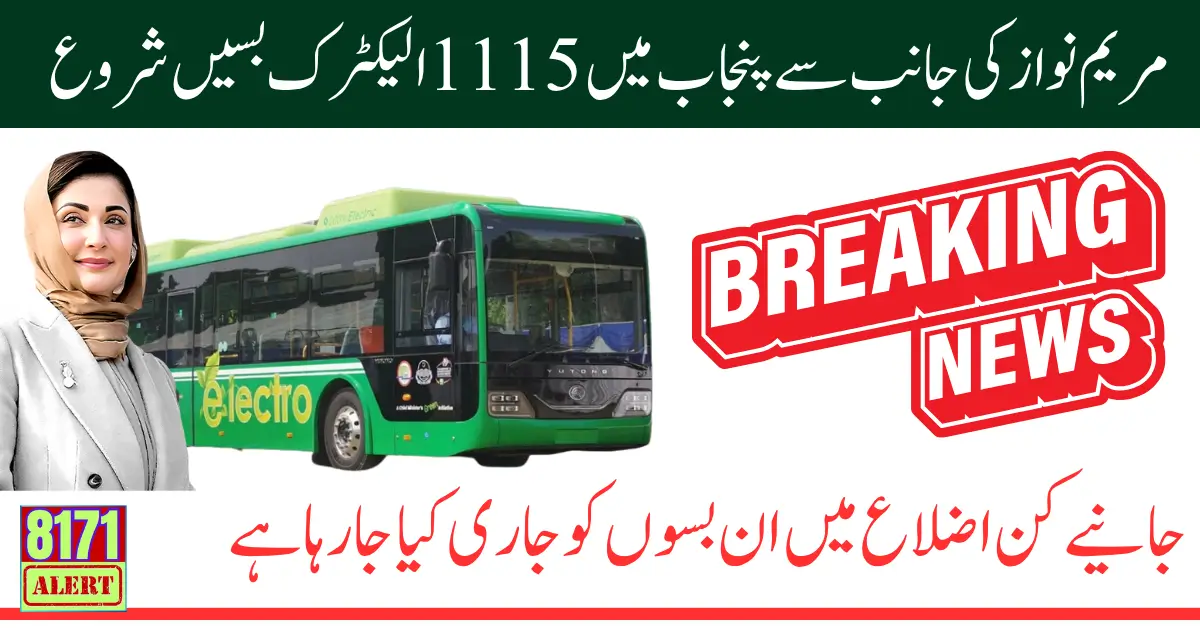
Punjabs New Ride: 1115 Electric Buses to Power Clean Transport Vision
The province of Punjab is set to make a big move in public transport. The regional government has announced a plan to launch 1,115 electric buses across districts by the end of the year. This marks a major step toward cleaner, more modern travel for millions of citizens.
A greener ride ahead
The idea is simple — replace older, polluting diesel buses with sleek, quieter, zero-emission electric ones. The electric fleet will roll out under the banner of the “Clean Transport Vision 2025,” a broader push to modernize life in Punjab’s cities and towns. Factories, roads and transport systems are all changing now to match the pace of expanding urban life.
By choosing electric buses, the government aims to reduce smog, noise and vehicle emissions. It also signals a move toward more comfortable public travel — with smooth rides, modern amenities, and digital tools to make commuting easier.
Rolling out in phases
To handle the scale properly, the launch will happen in stages:
-
Phase 1 (urban rollout): The first batch will hit busy districts where traffic and demand are highest.
-
Phase 2 (semi-urban expansion): Once the first cities are operating smoothly, nearby growing towns will get the buses.
-
Phase 3 (district and rural integration): In the final stage, smaller towns and rural routes will be included so every region benefits.
This phased strategy allows time to set up charging stations, train staff and fine-tune operations rather than trying to do everything at once.
Infrastructure matters
Electric buses require more than just the vehicles themselves. Punjab is investing in the supporting infrastructure too:
-
Charging stations in major hubs and districts so buses can stay running and don’t get stuck without power.
-
Digital systems like smart ticketing, GPS tracking, route monitoring and real-time updates for riders.
-
Maintenance and grid readiness, training technicians and ensuring the electricity supply can handle the new load.
Together, these pieces ensure the buses don’t just arrive — they work reliably, safely and efficiently.
What’s in it for commuters?
For everyday riders, the benefits will be clear:
-
Cleaner air and quieter rides — because electric buses don’t burn diesel and are much quieter on the road.
-
Better travel experience — modern seats, connected features like mobile charging, and smoother acceleration.
-
Affordable fares — thanks to lower running costs, services can remain budget-friendly.
-
Wider network coverage — as the rollout continues, more districts and towns will get reliable bus service.
For workers, students and older citizens alike, the new system promises more comfort, accessibility and predictability in daily travel.
Why this matters now
Punjab is growing rapidly. Cities are expanding, traffic is increasing, and air pollution is becoming harder to ignore. By shifting to electric buses, the province is taking a proactive step toward sustainable urban mobility rather than waiting until the problems get worse.
Introducing 1,115 electric buses signals not just a transport change but an overall shift in mindset — toward green, technology-friendly solutions and a future where public services evolve to meet modern needs. It also puts Punjab among the front-runners in Pakistan’s efforts to modernize transport systems.
Looking ahead
If the plan goes well, by early 2026 a large portion of the province’s bus system will have shifted to electric. That foundation can support future upgrades: new routes, smarter integration between city and rural transport, and even larger fleets if needed.
Public awareness will also play a key role. Success depends not just on the buses arriving, but on people stepping into them, using digital ticketing, adopting new routes and trusting the system.
In summary
Punjab’s launch of 1,115 electric buses is a bold and welcome move. It combines environmental concern, public welfare and modern technology into one promise — to give citizens a cleaner, smoother and more affordable way to travel. If all parts fall into place – vehicles, infrastructure, digital tools and public support – then this initiative could set a strong example for other regions to follow.